Suchomimus
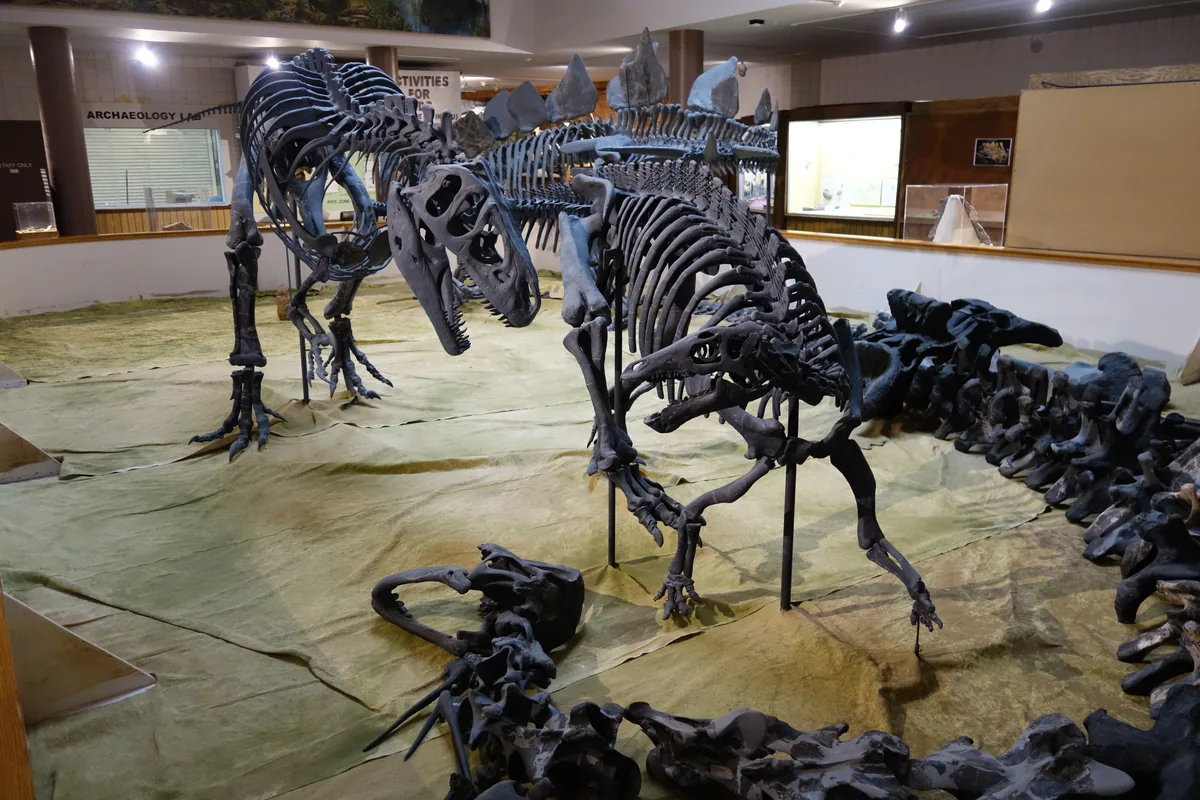
Order: Saurischia · Suborder: Theropoda · Infraorder: Megalosauroidea · Family: Spinosauridae
Suchomimus was a large theropod dinosaur that roamed the Early Cretaceous landscapes of what is now Niger. Its name, meaning "crocodile mimic," perfectly captured its most distinctive feature: a long, narrow snout lined with approximately a hundred conical teeth ideally designed for gripping slippery prey. At 36 to 39 feet in length, Suchomimus ranked among the sizeable predators of its time and belonged to the spinosaurid family, a group known for their specialized fish-eating adaptations.
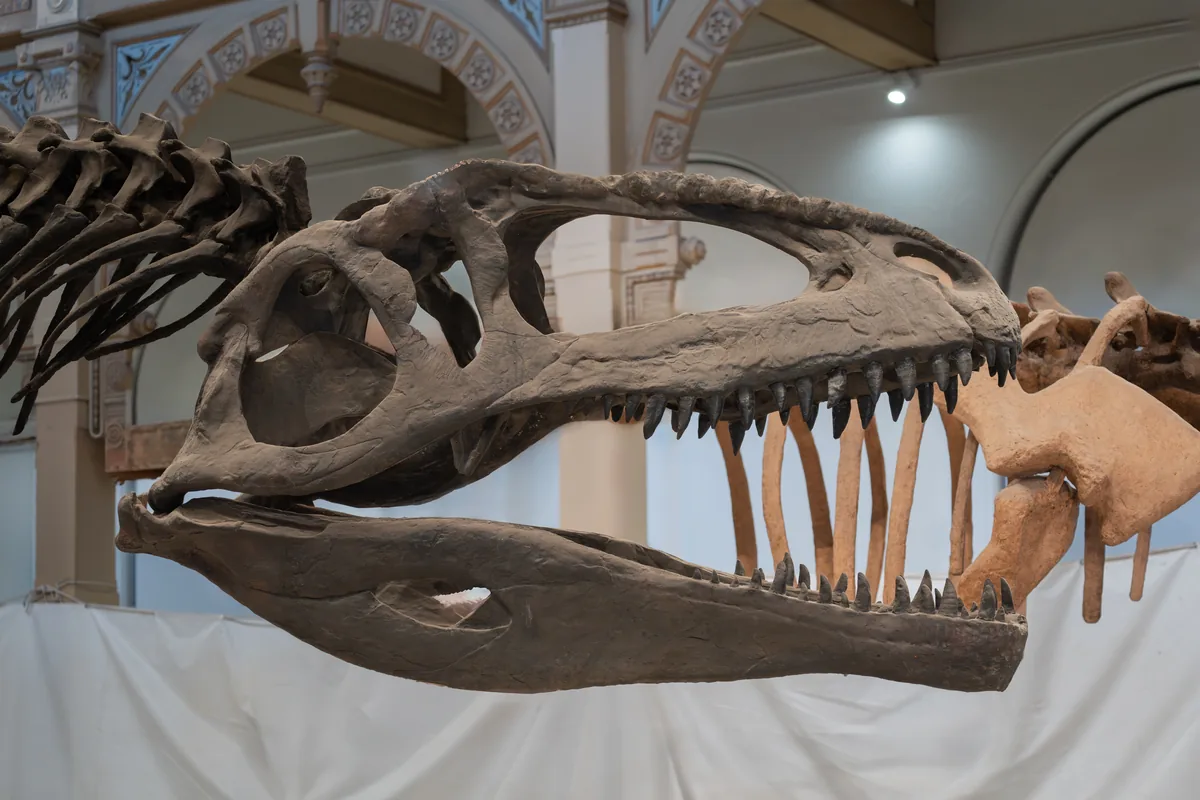
The structure of Suchomimus reflected its aquatic hunting lifestyle. Its powerful forelimbs terminated in large hooked claws, useful tools for securing prey in water or along riverbanks. A low ridge ran along its back, distinguishing it from other theropod forms. Living near rivers and lakes, Suchomimus primarily hunted fish, though paleontologists consider it likely that the animal may have opportunistically consumed other available prey as well. In this way, Suchomimus exemplifies the ecological specialization that characterized spinosaurs as a whole—a family fundamentally adapted to life in and around water rather than pursuing large terrestrial prey.
More Cretaceous-period dinosaurs →
Reference background: Natural History Museum, London — Dinosaurs; Smithsonian National Museum of Natural History — Dinosaurs; American Museum of Natural History — Dinosaurs & Fossils. Figures are typical published ranges; taxonomy follows the source era and modern consensus is noted where it differs. See our sources & fact-check policy.
Frequently asked questions
What does Suchomimus mean?
The name Suchomimus means “Crocodile mimic”.
When did Suchomimus live?
Suchomimus lived during the Early Cretaceous.
Was Suchomimus a carnivore or a herbivore?
Suchomimus was a piscivore.
How big was Suchomimus?
Suchomimus was about 36-39 feet (11-12 meters) long.
Related dinosaurs
Other dinosaurs from the Spinosauridae family.
Compare the dinosaurs
See size, diet, period and family for hundreds of dinosaurs side by side.
Compare dinosaurs →