Acanthopholis
Order: Ornithischia · Suborder: Thyreophora · Infraorder: Ankylosauria · Family: Nodosauridae
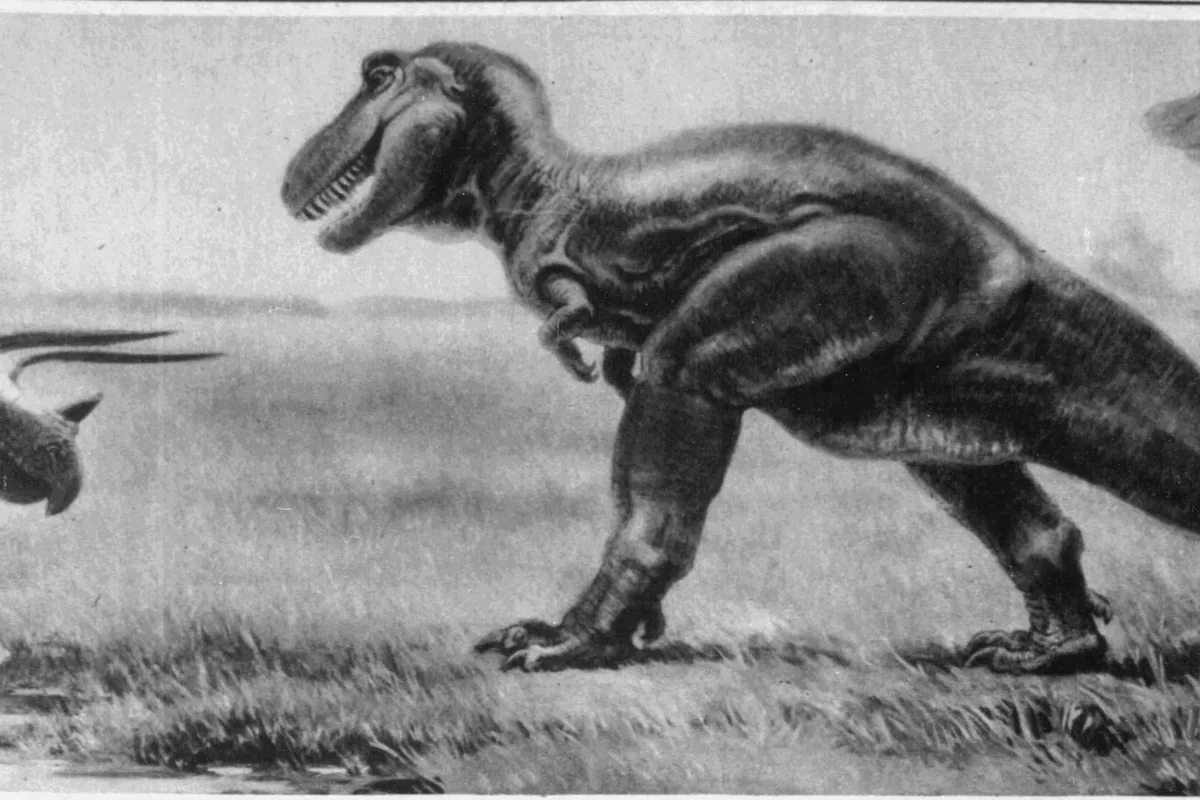
Fragmentary remains were discovered in England. Because its remains are distributed among several museums, it is difficult now to form an accurate picture of its appearance. Acanthopholis was one of the armored dinosaurs. The shoulders and neck of its slender body were armed with spikes. Possibly too fragmentary to base the genus on.
More Cretaceous-period dinosaurs →
Reference background: Natural History Museum, London — Dinosaurs; Smithsonian National Museum of Natural History — Dinosaurs; American Museum of Natural History — Dinosaurs & Fossils. Figures are typical published ranges; taxonomy follows the source era and modern consensus is noted where it differs. See our sources & fact-check policy.
Frequently asked questions
What does Acanthopholis mean?
The name Acanthopholis means “Spine Bearer”. It is pronounced a-kan-THOF-o-liss.
When did Acanthopholis live?
Acanthopholis lived during the Early-Late Cretaceous.
Was Acanthopholis a carnivore or a herbivore?
Acanthopholis was a herbivore.
How big was Acanthopholis?
Acanthopholis was about 18 feet (5.5 meters) long, around 6 feet (1.8 meters) tall.
Related dinosaurs
Other dinosaurs from the Nodosauridae family.
Compare the dinosaurs
See size, diet, period and family for hundreds of dinosaurs side by side.
Compare dinosaurs →