Zuniceratops
Order: Ornithischia · Suborder: Ceratopsia
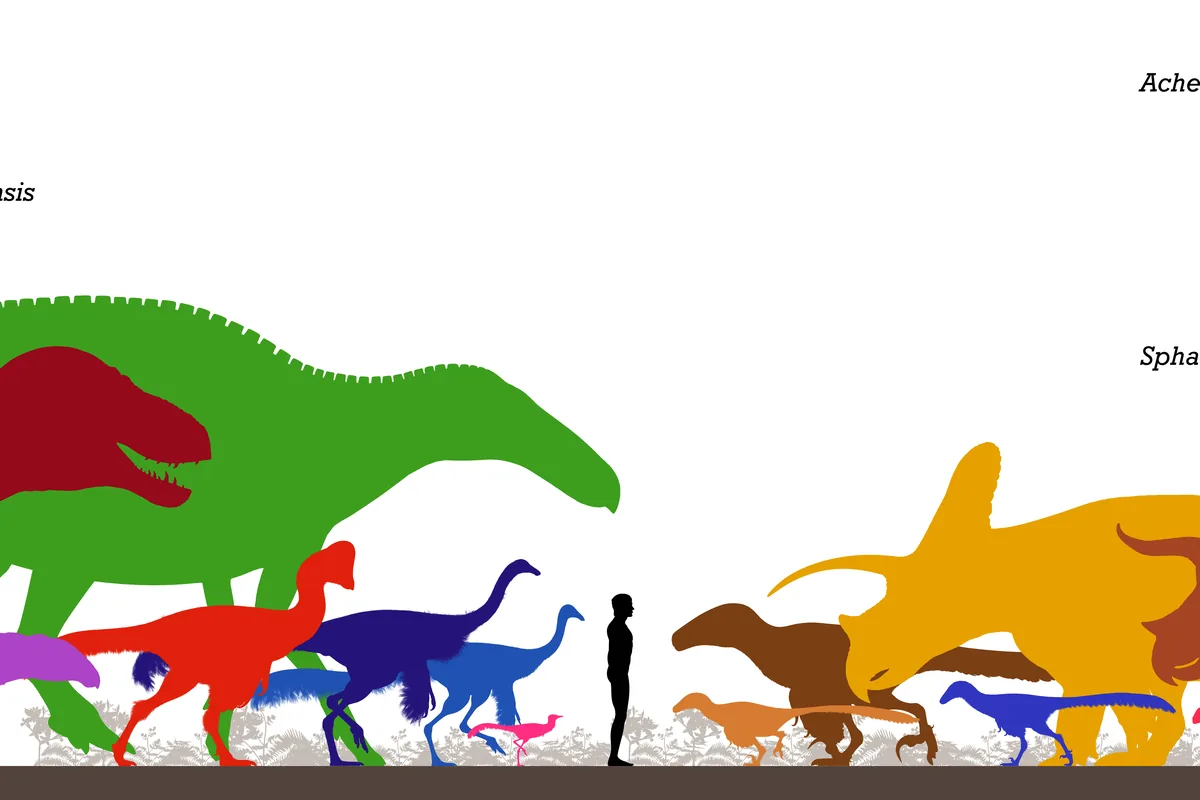
Zuniceratops, whose name means "Zuni horned face," was an early ceratopsian dinosaur that roamed what is now New Mexico during the Late Cretaceous period. At roughly 10 to 11 feet in length, it was considerably smaller and more lightly built than the massive horned dinosaurs that would appear later in the Cretaceous, such as Triceratops. Despite its modest size, Zuniceratops possessed features that would become hallmarks of its family: a pair of prominent brow horns positioned above its eyes and a relatively simple bony frill extending from the back of its skull.
Zuniceratops holds special significance in paleontology as one of the oldest known ceratopsians to have evolved brow horns. This characteristic makes it a crucial fossil for understanding how the elaborate, heavily horned ceratopsids of North America developed over millions of years. As a herbivore, Zuniceratops employed a sharp beak and rows of specialized slicing teeth to process the vegetation of its ancient ecosystem. The anatomical features preserved in Zuniceratops specimens continue to inform scientists about the early evolution and diversification of one of the Cretaceous's most successful dinosaur families.
More Cretaceous-period dinosaurs →
Reference background: Natural History Museum, London — Dinosaurs; Smithsonian National Museum of Natural History — Dinosaurs; American Museum of Natural History — Dinosaurs & Fossils. Figures are typical published ranges; taxonomy follows the source era and modern consensus is noted where it differs. See our sources & fact-check policy.
Frequently asked questions
What does Zuniceratops mean?
The name Zuniceratops means “Zuni horned face”.
When did Zuniceratops live?
Zuniceratops lived during the Late Cretaceous.
Was Zuniceratops a carnivore or a herbivore?
Zuniceratops was a herbivore.
How big was Zuniceratops?
Zuniceratops was about 10-11 feet (3-3.5 meters) long.
Related dinosaurs
Other dinosaurs from the same period.
Compare the dinosaurs
See size, diet, period and family for hundreds of dinosaurs side by side.
Compare dinosaurs →