Saurophaganax
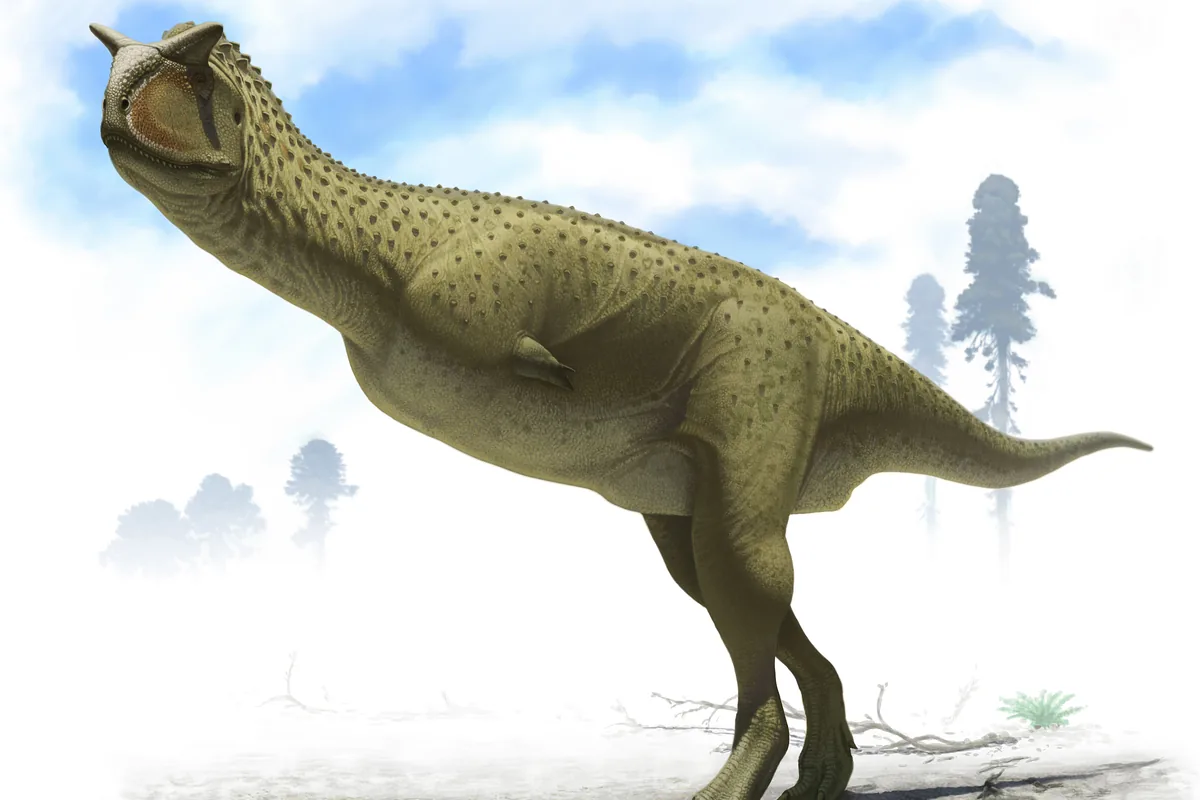
Order: Saurischia · Suborder: Theropoda · Infraorder: Carnosauria · Family: Allosauridae (family not firmly confirmed)
Saurophaganax was a formidable predatory dinosaur that roamed North America during the Late Jurassic period. Known from fossils discovered in the Morrison Formation of Oklahoma, this theropod measured between 34 and 43 feet in length, making it one of the largest carnivorous dinosaurs of its time and region. The name Saurophaganax translates to "lord of lizard-eaters," a fitting title that reflects its status as a dominant carnivore within its ecosystem.
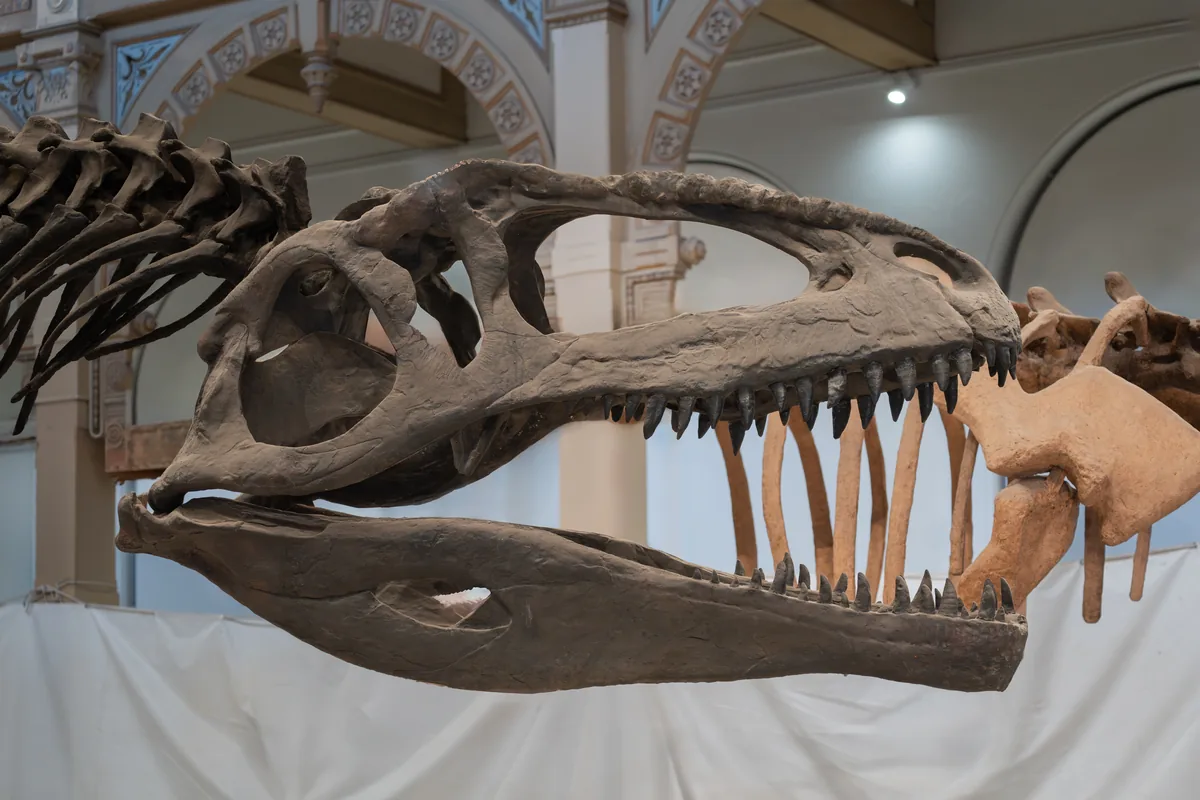
Saurophaganax belonged to the Allosauridae family and was closely related to the well-known Allosaurus, with some paleontologists considering it a giant species of that genus. Armed with powerful jaws and sharp, serrated teeth, this predator was well-equipped to hunt the large herbivorous dinosaurs that shared its Morrison Formation habitat. Sauropods, in particular, likely formed a significant portion of its diet, though it may have also preyed on other dinosaurs. Saurophaganax coexisted alongside other notable predators of the Late Jurassic, including Allosaurus and Ceratosaurus, all competing within the same dynamic ecosystem.
More Jurassic-period dinosaurs →
Reference background: Natural History Museum, London — Dinosaurs; Smithsonian National Museum of Natural History — Dinosaurs; American Museum of Natural History — Dinosaurs & Fossils. Figures are typical published ranges; taxonomy follows the source era and modern consensus is noted where it differs. See our sources & fact-check policy.
Frequently asked questions
What does Saurophaganax mean?
The name Saurophaganax means “Lord of lizard-eaters”.
When did Saurophaganax live?
Saurophaganax lived during the Late Jurassic.
Was Saurophaganax a carnivore or a herbivore?
Saurophaganax was a carnivore.
How big was Saurophaganax?
Saurophaganax was about 34-43 feet (10.5-13 meters) long.
Related dinosaurs
Other dinosaurs from the Allosauridae family.
Compare the dinosaurs
See size, diet, period and family for hundreds of dinosaurs side by side.
Compare dinosaurs →