Rajasaurus
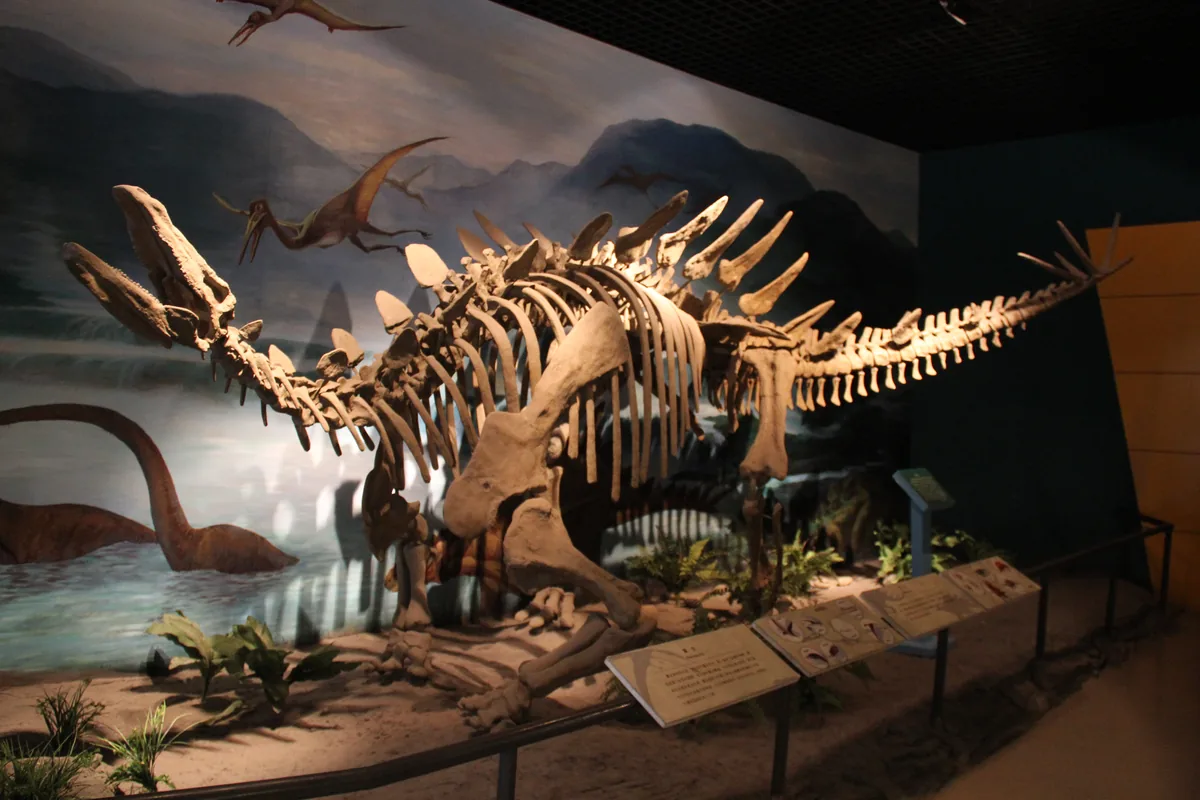
Order: Saurischia · Suborder: Theropoda · Infraorder: Abelisauridae · Family: Abelisauridae
Rajasaurus, whose name means "princely lizard," was a carnivorous theropod dinosaur that roamed the Late Cretaceous landscape of India. Measuring between 21 and 30 feet in length, it belonged to the Abelisauridae family, a group of predatory dinosaurs characterized by short, deep skulls and relatively short arms. One of Rajasaurus's most distinctive features was a low horn or crest positioned on top of its head, formed from the fusion of its nasal and frontal bones, giving it a unique profile among abelisaurids.
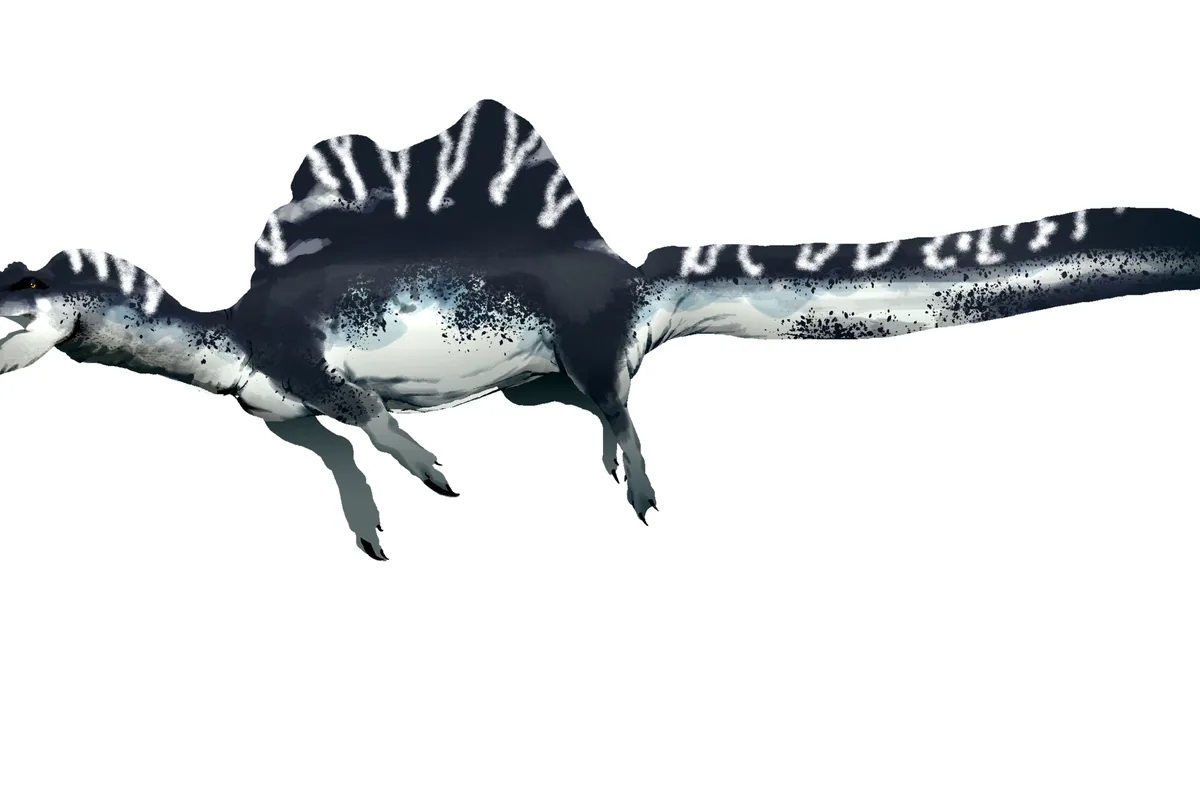
During the Late Cretaceous, India existed as an isolated landmass, creating a distinct ecosystem that fostered its own array of dinosaurian life. Rajasaurus occupied the role of a robust mid-to-large predator in this environment, where it likely hunted the long-necked sauropods that inhabited the same region. As one of the better-documented dinosaurs from India, Rajasaurus has proven invaluable to paleontologists seeking to understand the distribution and diversity of abelisaurid predators across the southern continents, offering crucial insights into how dinosaur lineages evolved and dispersed across ancient landmasses.
More Cretaceous-period dinosaurs →
Reference background: Natural History Museum, London — Dinosaurs; Smithsonian National Museum of Natural History — Dinosaurs; American Museum of Natural History — Dinosaurs & Fossils. Figures are typical published ranges; taxonomy follows the source era and modern consensus is noted where it differs. See our sources & fact-check policy.
Frequently asked questions
What does Rajasaurus mean?
The name Rajasaurus means “Princely lizard”.
When did Rajasaurus live?
Rajasaurus lived during the Late Cretaceous.
Was Rajasaurus a carnivore or a herbivore?
Rajasaurus was a carnivore.
How big was Rajasaurus?
Rajasaurus was about 21-30 feet (6.6-9 meters) long.
Related dinosaurs
Other dinosaurs from the Abelisauridae family.
Compare the dinosaurs
See size, diet, period and family for hundreds of dinosaurs side by side.
Compare dinosaurs →