Xenotarsosaurus
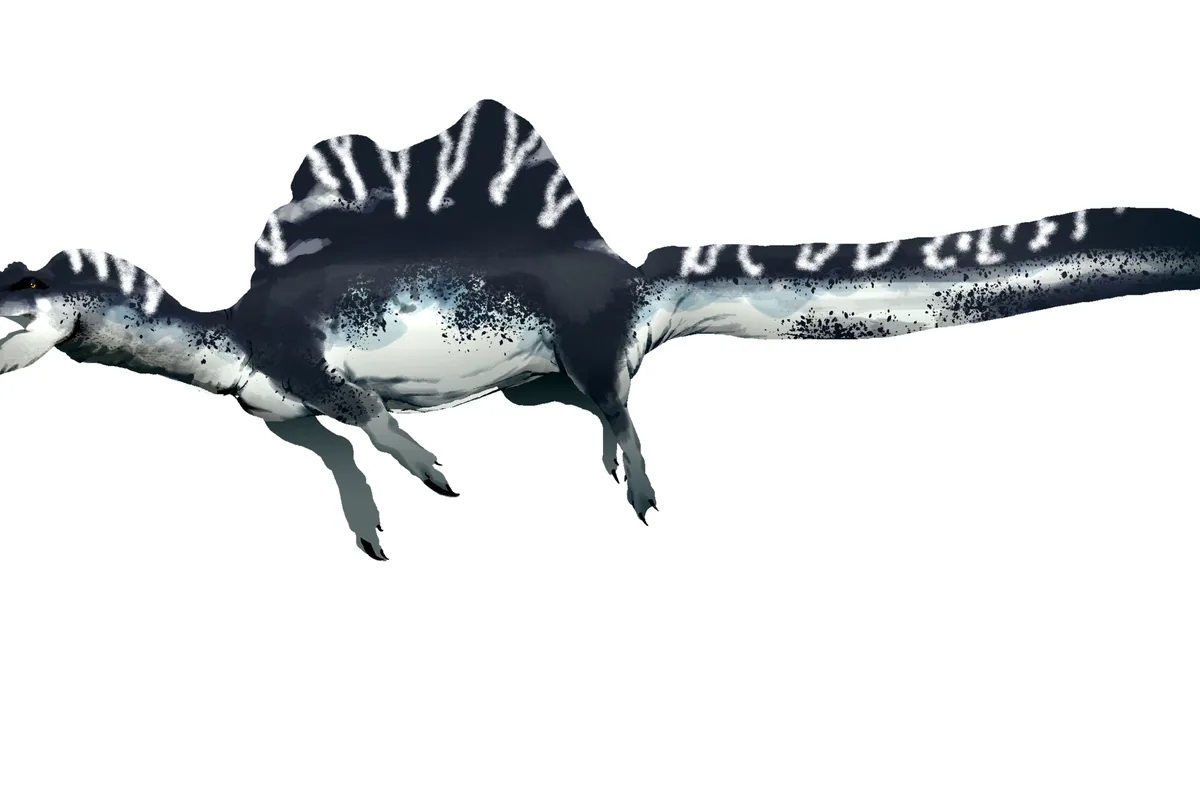
Order: Saurischia · Suborder: Theropoda · Infraorder: Ceratosauria · Family: Abelisauridae (family not firmly confirmed)
Xenotarsosaurus is known from fragmentary remains discovered in Argentina. It had fused ankle bones -- an unusual feature in large predatory dinosaurs.
More Cretaceous-period dinosaurs →
Reference background: Natural History Museum, London — Dinosaurs; Smithsonian National Museum of Natural History — Dinosaurs; American Museum of Natural History — Dinosaurs & Fossils. Figures are typical published ranges; taxonomy follows the source era and modern consensus is noted where it differs. See our sources & fact-check policy.
Frequently asked questions
What does Xenotarsosaurus mean?
The name Xenotarsosaurus means “Strange-Ankle Lizard”. It is pronounced zee-noh-TAR-suh-SAWR-us.
When did Xenotarsosaurus live?
Xenotarsosaurus lived during the Late Cretaceous.
Was Xenotarsosaurus a carnivore or a herbivore?
Xenotarsosaurus was a carnivore.
Related dinosaurs
Other dinosaurs from the Abelisauridae family.
Compare the dinosaurs
See size, diet, period and family for hundreds of dinosaurs side by side.
Compare dinosaurs →