Nigersaurus
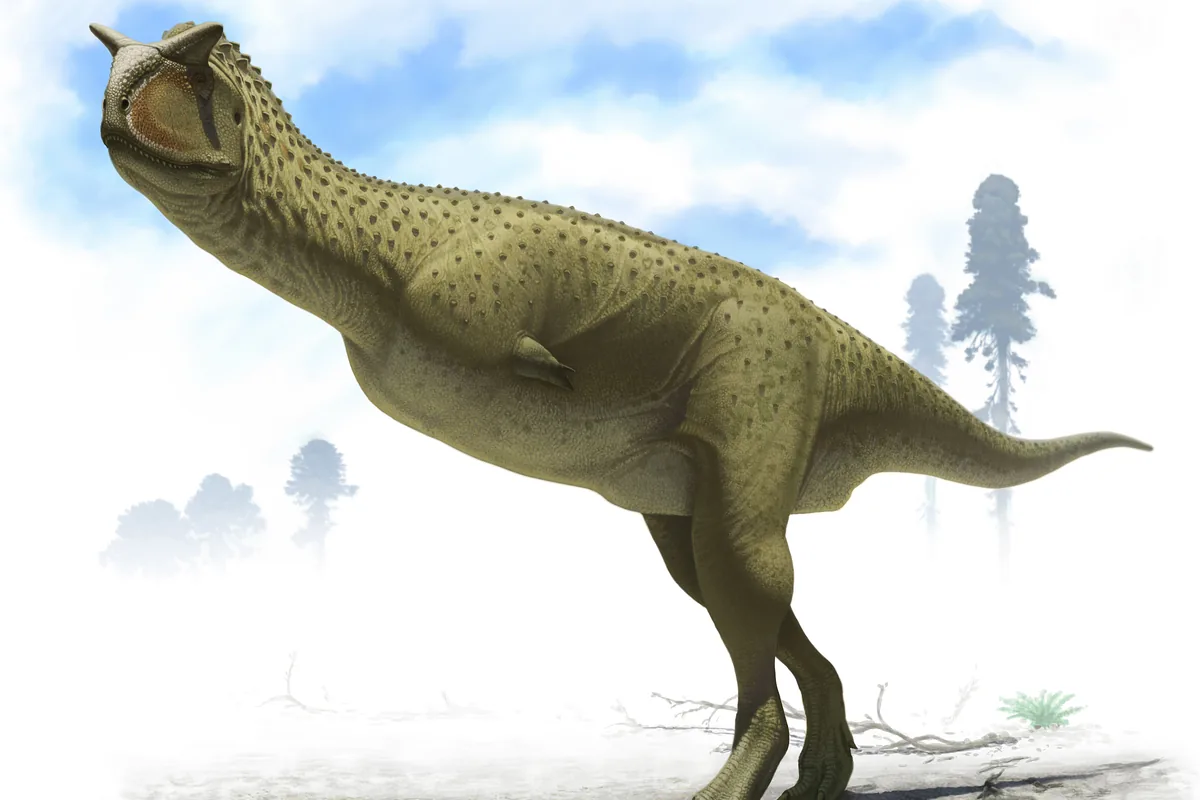
Order: Saurischia · Suborder: Sauropoda · Infraorder: Rebbachisauridae · Family: Rebbachisauridae (family not firmly confirmed)
Nigersaurus was a long-necked sauropod dinosaur that lived during the Early Cretaceous period in what is now Niger. Its name translates to "Niger reptile," and it belonged to the order Saurischia, the suborder Sauropoda, and the family Rebbachisauridae.
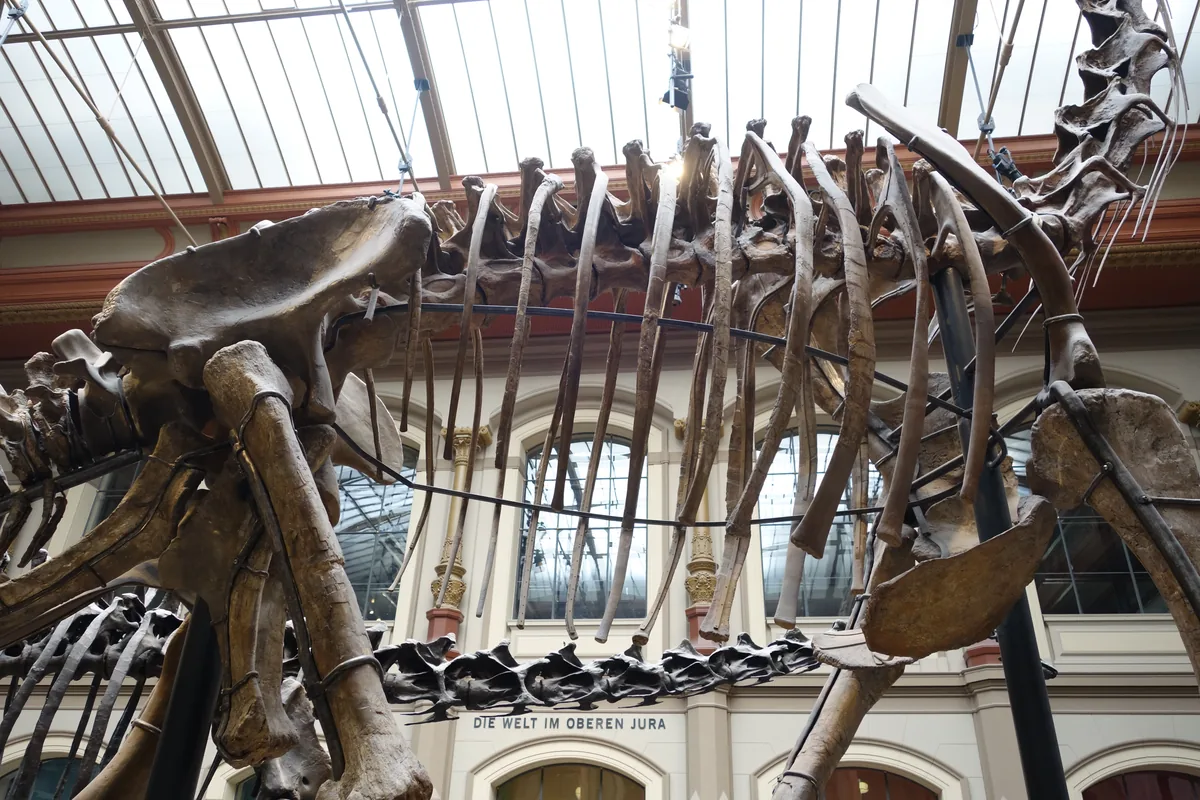
One of the most distinctive features of Nigersaurus was its remarkably wide, straight-edged muzzle, which was packed with hundreds of small teeth arranged in dense batteries. This unusual dental arrangement is understood to have been an adaptation for cropping low-growing plants close to the ground, reflecting a herbivorous diet. Its skull was so delicate and full of openings that it has been described as one of the most fragile of any dinosaur.
Nigersaurus reached approximately 30 feet, or 9 meters, in length. Despite being a sauropod — a group generally associated with enormous, robustly built animals — Nigersaurus demonstrates that members of this suborder could develop highly specialized and distinctive physical traits. It is considered a striking example of how sauropods adapted to different feeding strategies over the course of their evolutionary history.
More Cretaceous-period dinosaurs →
Reference background: Natural History Museum, London — Dinosaurs; Smithsonian National Museum of Natural History — Dinosaurs; American Museum of Natural History — Dinosaurs & Fossils. Figures are typical published ranges; taxonomy follows the source era and modern consensus is noted where it differs. See our sources & fact-check policy.
Frequently asked questions
What does Nigersaurus mean?
The name Nigersaurus means “Niger reptile”.
When did Nigersaurus live?
Nigersaurus lived during the Early Cretaceous.
Was Nigersaurus a carnivore or a herbivore?
Nigersaurus was a herbivore.
How big was Nigersaurus?
Nigersaurus was about 30 feet (9 meters) long.
Related dinosaurs
Other dinosaurs from the Rebbachisauridae family.
Compare the dinosaurs
See size, diet, period and family for hundreds of dinosaurs side by side.
Compare dinosaurs →