Neovenator
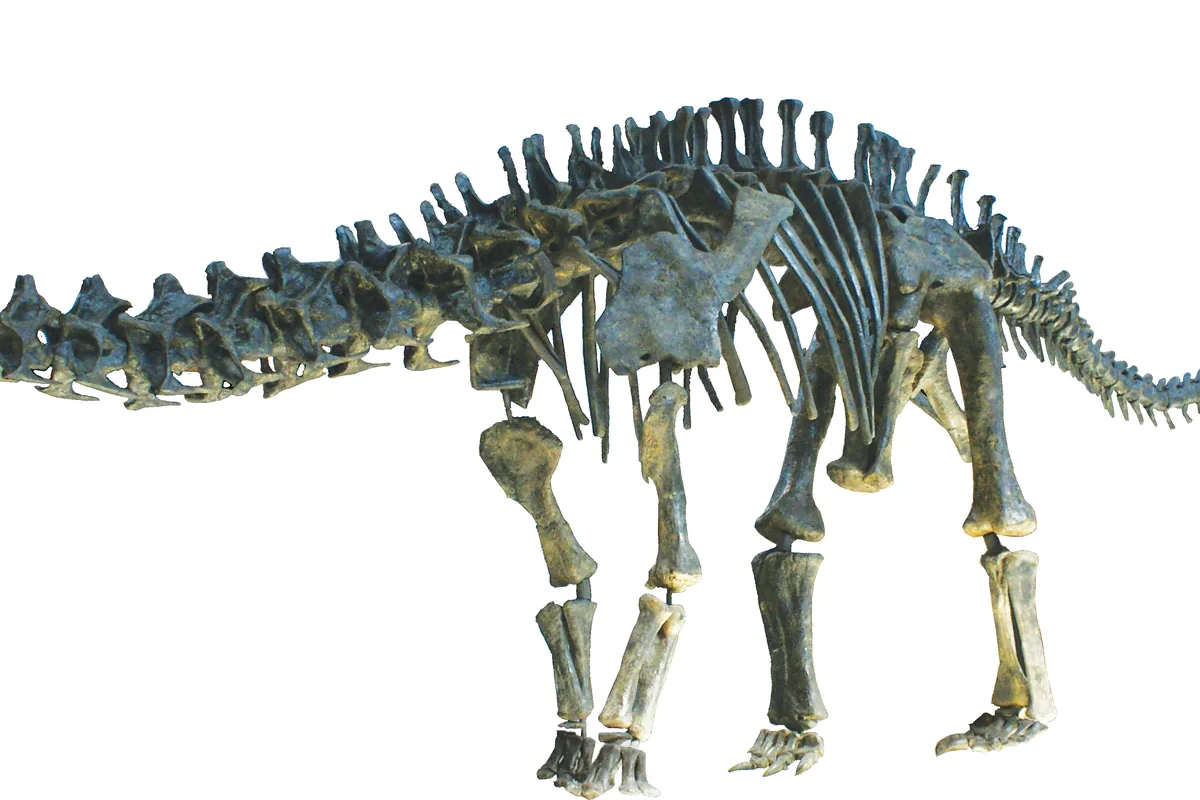
Order: Saurischia · Suborder: Theropoda · Infraorder: Carcharodontosauria · Family: Neovenatoridae (family not firmly confirmed)
Neovenator, whose name means "new hunter," was a carnivorous theropod dinosaur that roamed the Early Cretaceous landscape of the Isle of Wight in England. Measuring between 23 and 25 feet in length, it ranks among Britain's best-known large predatory dinosaurs. As a relative of the carcharodontosaurs, a group of formidable meat-eating theropods, Neovenator was built for agility and speed rather than sheer bulk, with sharp, blade-like teeth suited to its hunting lifestyle.
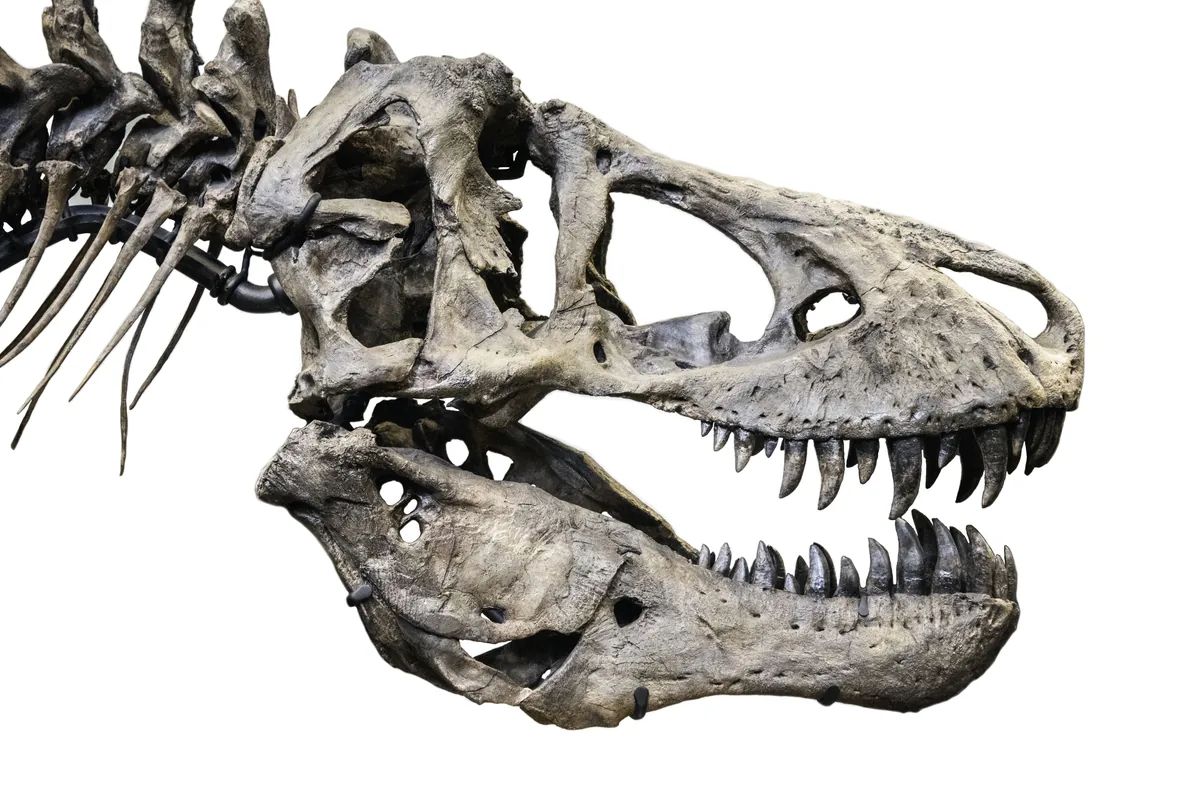
Fossil evidence has revealed details of Neovenator's anatomy that hint at sophisticated sensory capabilities. Studies of its skull uncovered a complex network of channels running through the snout, which likely carried nerves and blood vessels. These anatomical features suggest that the dinosaur's face was sensitive to touch and pressure, potentially aiding it in hunting or prey manipulation. Neovenator shared its coastal environment with herbivorous dinosaurs such as Iguanodon, making it a key specimen for paleontologists studying the diversity and ecology of European theropods during the Cretaceous Period.
More Cretaceous-period dinosaurs →
Reference background: Natural History Museum, London — Dinosaurs; Smithsonian National Museum of Natural History — Dinosaurs; American Museum of Natural History — Dinosaurs & Fossils. Figures are typical published ranges; taxonomy follows the source era and modern consensus is noted where it differs. See our sources & fact-check policy.
Frequently asked questions
What does Neovenator mean?
The name Neovenator means “New hunter”.
When did Neovenator live?
Neovenator lived during the Early Cretaceous.
Was Neovenator a carnivore or a herbivore?
Neovenator was a carnivore.
How big was Neovenator?
Neovenator was about 23-25 feet (7-7.6 meters) long.
Related dinosaurs
Other dinosaurs from the Neovenatoridae family.
Compare the dinosaurs
See size, diet, period and family for hundreds of dinosaurs side by side.
Compare dinosaurs →