Baryonyx
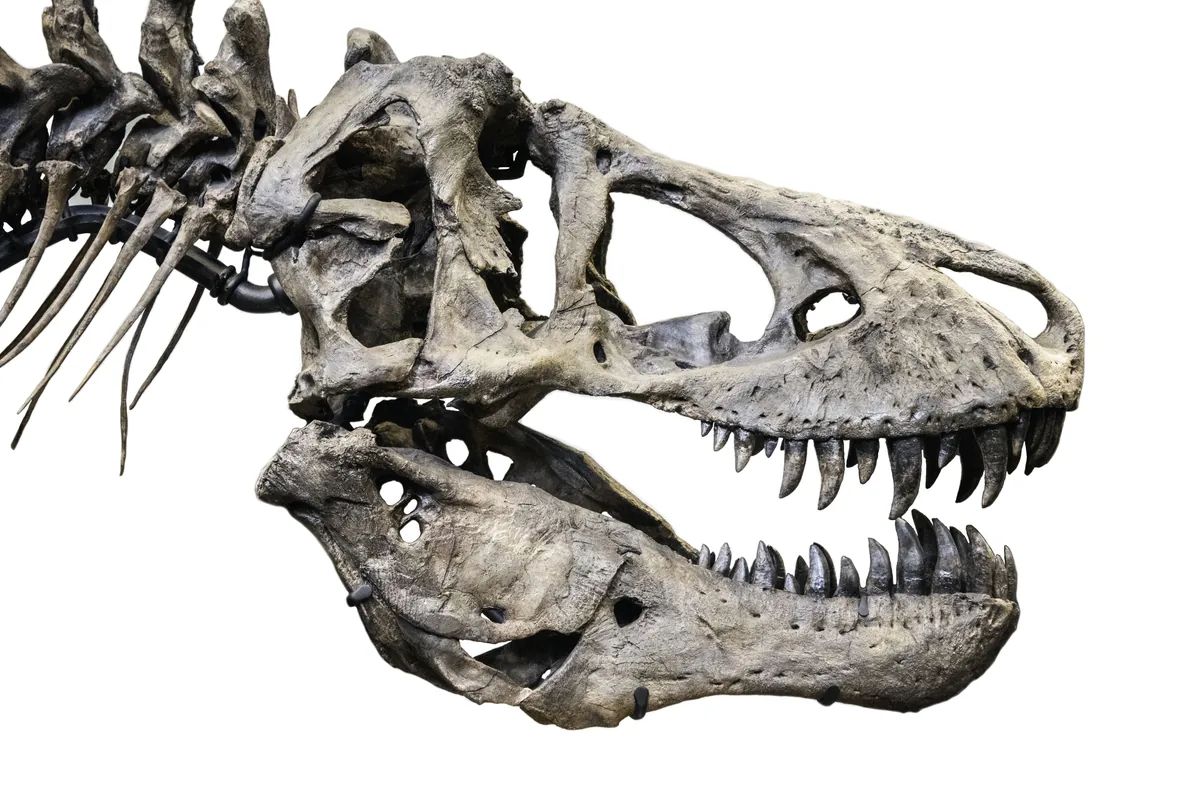
Order: Saurischia · Suborder: Theropoda
Discovered in southern England, Baronyx had a huge curved claw over 12 inches (30-cm) in length on each hand. Its long narrow jaws were equipped with small pointed teeth, twice as many as a theropod would normally have, which leads many to think that Baryonyx was a fisher. It might have wadedin shallow water to spear fish with its claws.
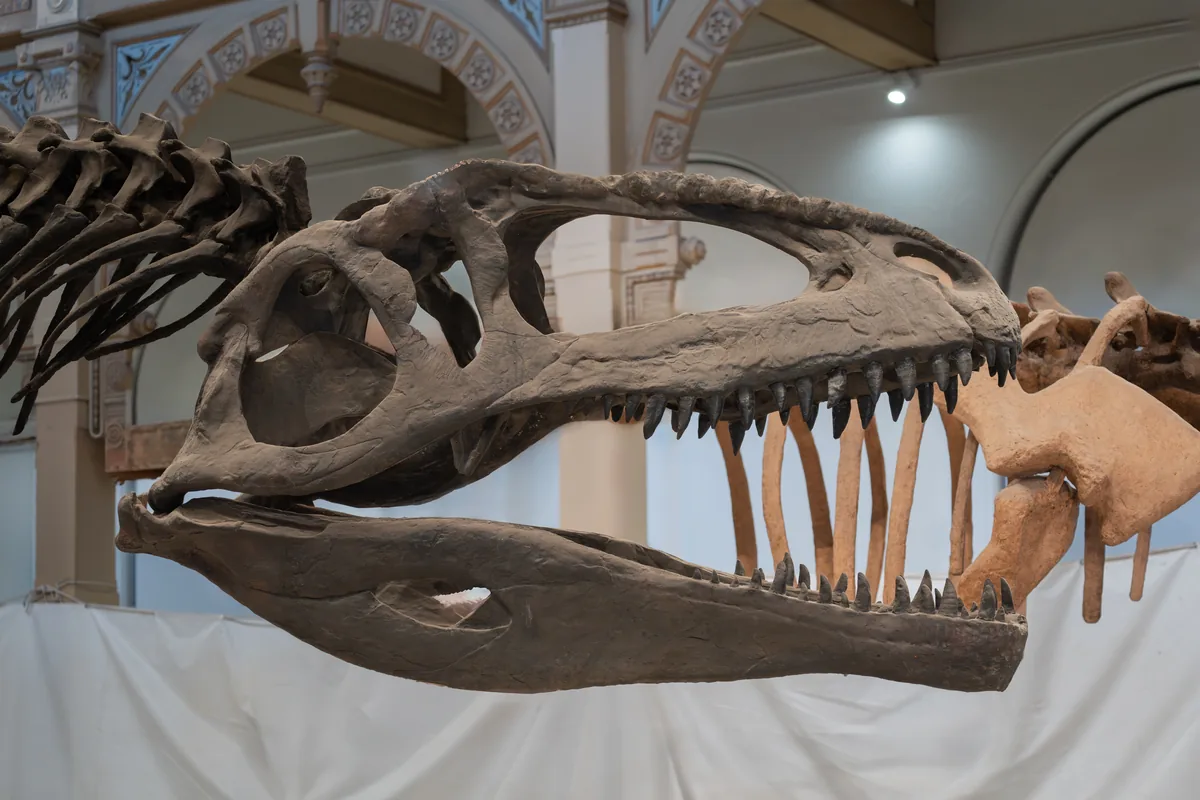
More Cretaceous-period dinosaurs →
Reference background: Natural History Museum, London — Dinosaurs; Smithsonian National Museum of Natural History — Dinosaurs; American Museum of Natural History — Dinosaurs & Fossils. Figures are typical published ranges; taxonomy follows the source era and modern consensus is noted where it differs. See our sources & fact-check policy.
Frequently asked questions
What does Baryonyx mean?
The name Baryonyx means “Heavy Claw”. It is pronounced bare-ee-ON-iks.
When did Baryonyx live?
Baryonyx lived during the Early Cretaceous.
Was Baryonyx a carnivore or a herbivore?
Baryonyx was a carnivore.
How big was Baryonyx?
Baryonyx was about 30 feet (9.1 meters) long, around 6 feet (1.8 meters) tall, weighing up to 4,000 lbs (1,814 kg).
Related dinosaurs
Other dinosaurs from the same period.
Compare the dinosaurs
See size, diet, period and family for hundreds of dinosaurs side by side.
Compare dinosaurs →