Anzu
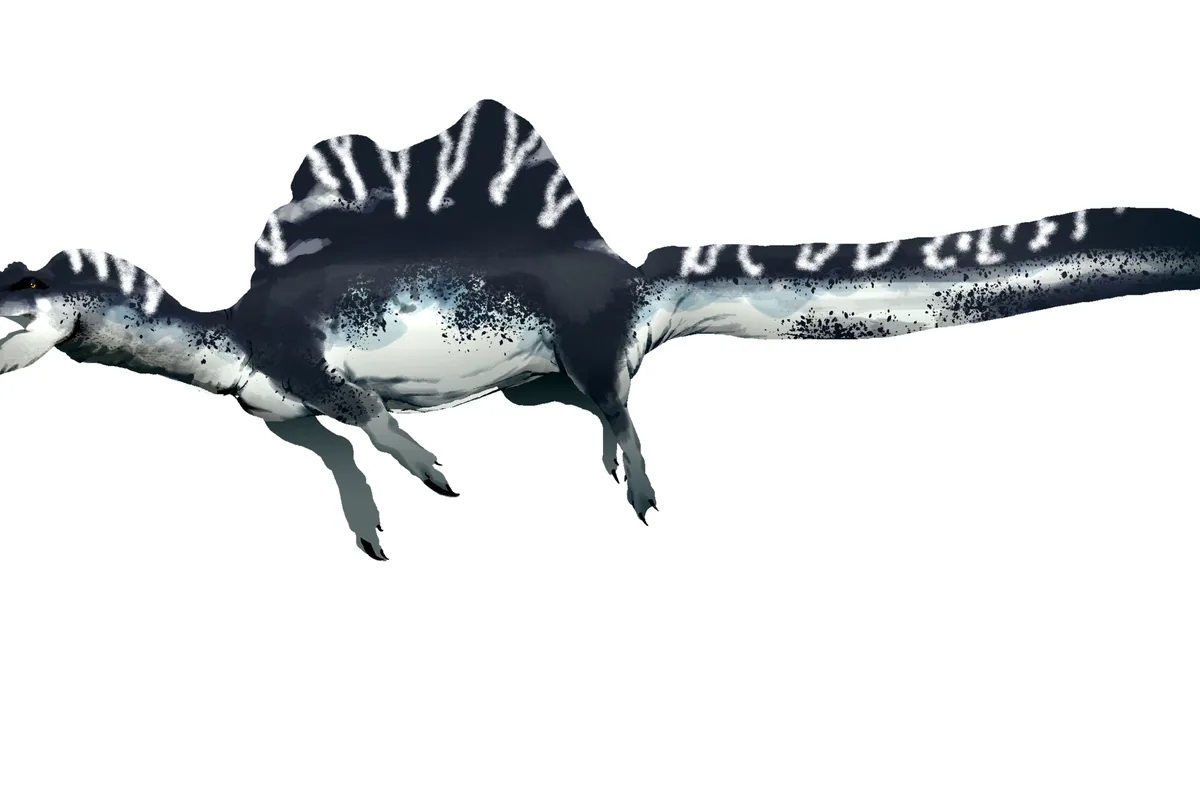
Order: Saurischia · Suborder: Theropoda · Infraorder: Oviraptorosauria · Family: Caenagnathidae (family not firmly confirmed)
Anzu was a large, feathered oviraptorosaur that lived during the Late Cretaceous period in North America. Reaching around three and a half metres in length, it ranked among the bigger members of its family, Caenagnathidae, on the continent. Its name is drawn from Anzû, a feathered, bird-like demon of ancient Mesopotamian mythology, rooted in both Sumerian and Akkadian tradition — a fitting tribute to a creature that has earned the informal nickname "the chicken from hell."
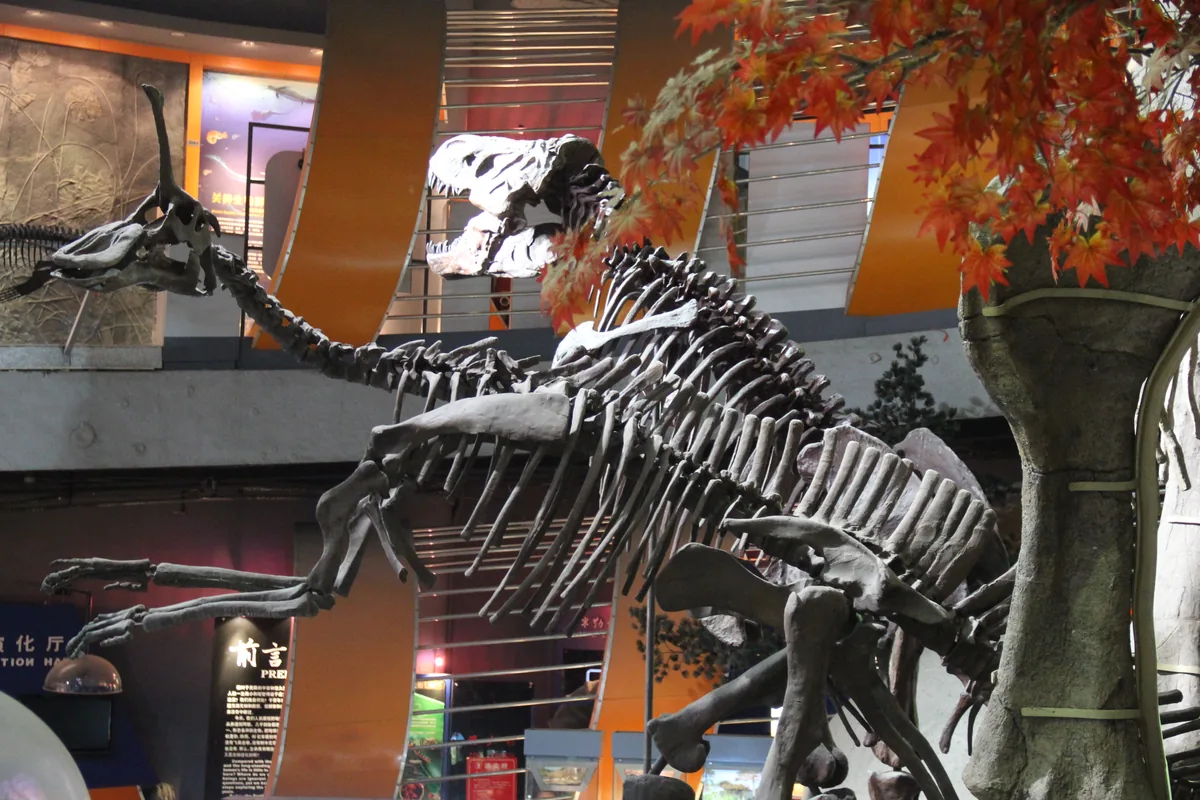
In life, Anzu would have cut a striking figure. It possessed a tall, crested skull, a toothless beak, long arms tipped with large claws, and long legs built for an active lifestyle. Like other oviraptorosaurs, it is understood to have been covered in feathers. Its diet was likely varied and opportunistic, probably encompassing plants, small animals, and possibly eggs.
Anzu is known from relatively complete fossil remains, making it a particularly valuable specimen for paleontologists. The quality of the material has allowed scientists to build a detailed picture of how these unusual feathered dinosaurs looked and lived, adding meaningfully to the broader understanding of oviraptorosaur biology in Late Cretaceous North America.
More Cretaceous-period dinosaurs →
Reference background: Natural History Museum, London — Dinosaurs; Smithsonian National Museum of Natural History — Dinosaurs; American Museum of Natural History — Dinosaurs & Fossils. Figures are typical published ranges; taxonomy follows the source era and modern consensus is noted where it differs. See our sources & fact-check policy.
Frequently asked questions
What does Anzu mean?
The name Anzu means “Anzu, a feathered demon”.
When did Anzu live?
Anzu lived during the Late Cretaceous.
Was Anzu a carnivore or a herbivore?
Anzu was a omnivore.
How big was Anzu?
Anzu was about 11-12 feet (3.5 meters) long.
Related dinosaurs
Other dinosaurs from the Caenagnathidae family.
Compare the dinosaurs
See size, diet, period and family for hundreds of dinosaurs side by side.
Compare dinosaurs →