Yinlong
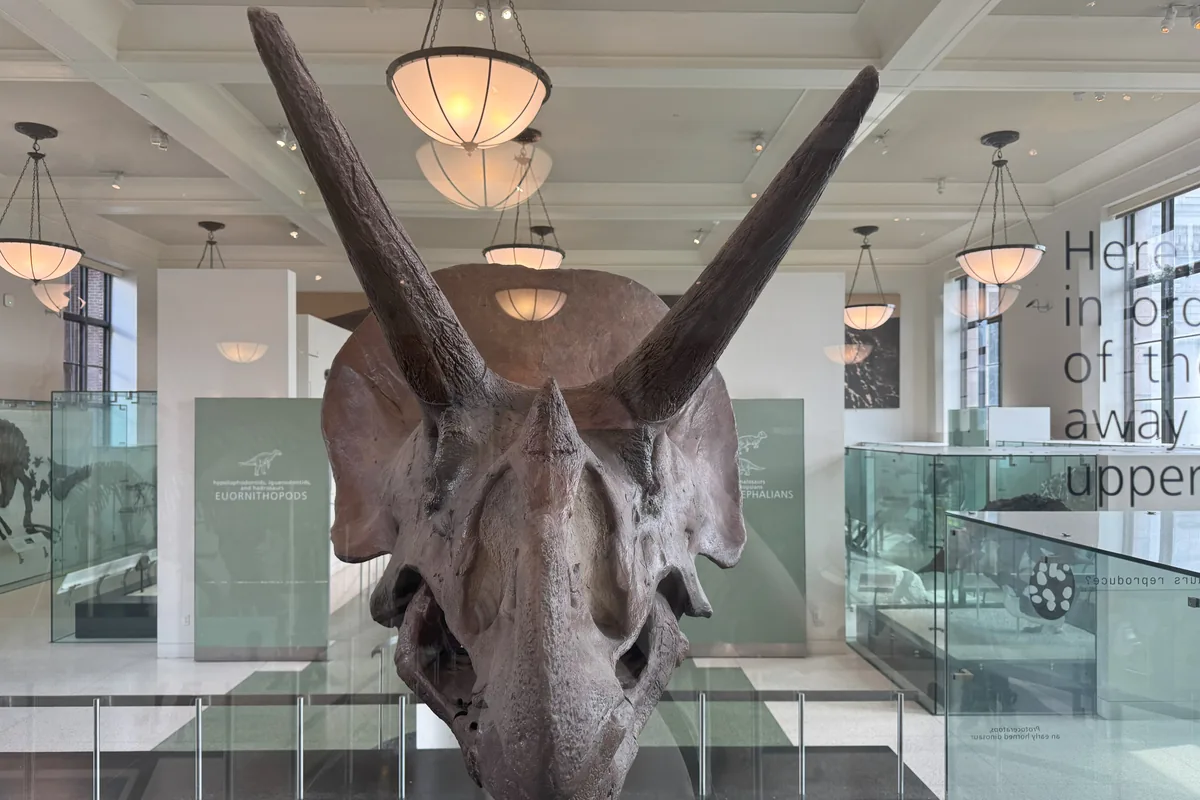
Order: Ornithischia · Suborder: Ceratopsia
Yinlong was a small herbivorous dinosaur that lived during the Late Jurassic period in what is now China. Measuring approximately four feet in length, it represents one of the oldest and most basal known members of the ceratopsian lineage—the group that would eventually give rise to the large, horned dinosaurs of the Cretaceous period. Its name, meaning "hidden dragon," references the region where fossils of this species were discovered.
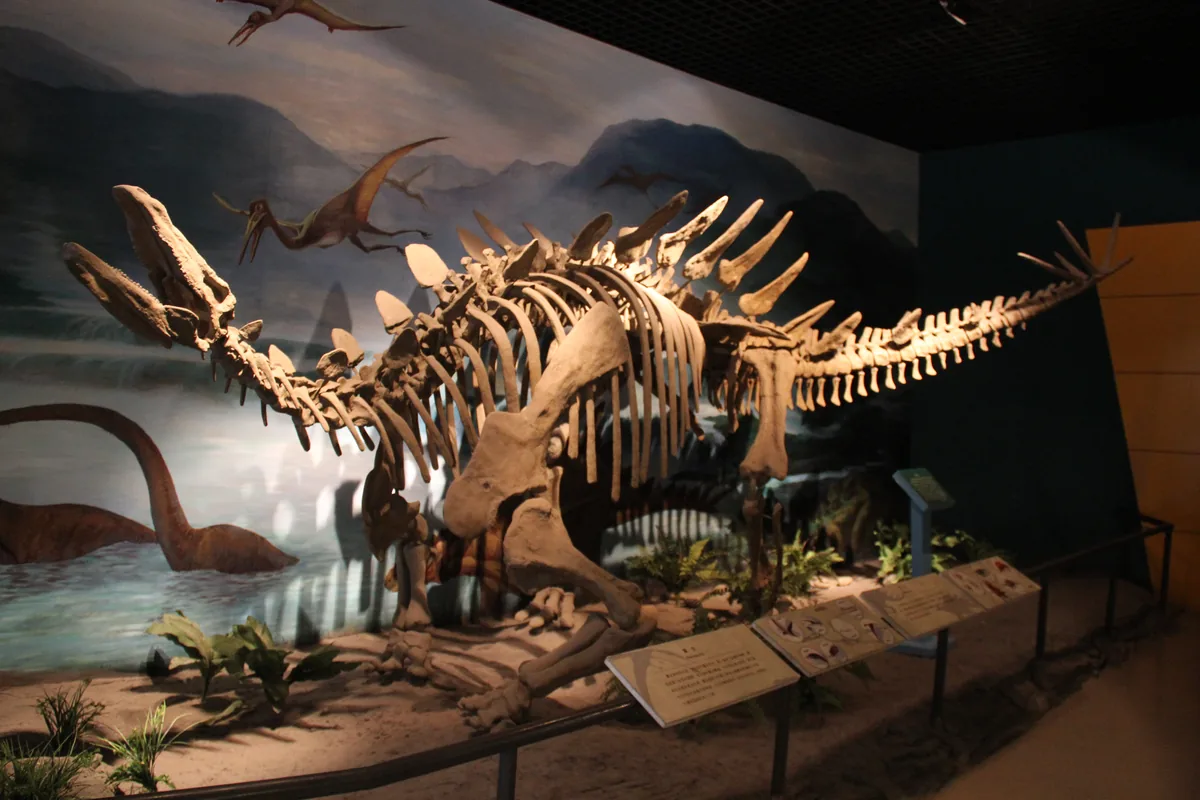
Unlike its later relatives, Yinlong lacked the distinctive features that would come to define ceratopsians. It had no large horns or elaborate bony frill, and it was considerably smaller than the famous horned dinosaurs that followed. However, paleontologists have identified early versions of the anatomical characteristics that would become hallmarks of the group. The dinosaur appears to have been bipedal, walking on its hind legs as it foraged for plants.
Yinlong holds particular significance in understanding dinosaur evolution. By examining this early ceratopsian, scientists can infer what the ancestors of iconic horned dinosaurs such as Triceratops may have resembled. The species provides a crucial window into how the ceratopsian line developed from small, simple forms into the large, heavily ornamented herbivores that dominated the later Cretaceous landscape.
More Jurassic-period dinosaurs →
Reference background: Natural History Museum, London — Dinosaurs; Smithsonian National Museum of Natural History — Dinosaurs; American Museum of Natural History — Dinosaurs & Fossils. Figures are typical published ranges; taxonomy follows the source era and modern consensus is noted where it differs. See our sources & fact-check policy.
Frequently asked questions
What does Yinlong mean?
The name Yinlong means “Hidden dragon”.
When did Yinlong live?
Yinlong lived during the Late Jurassic.
Was Yinlong a carnivore or a herbivore?
Yinlong was a herbivore.
How big was Yinlong?
Yinlong was about 4 feet (1.2 meters) long.
Related dinosaurs
Other dinosaurs from the same period.
Compare the dinosaurs
See size, diet, period and family for hundreds of dinosaurs side by side.
Compare dinosaurs →