Wendiceratops
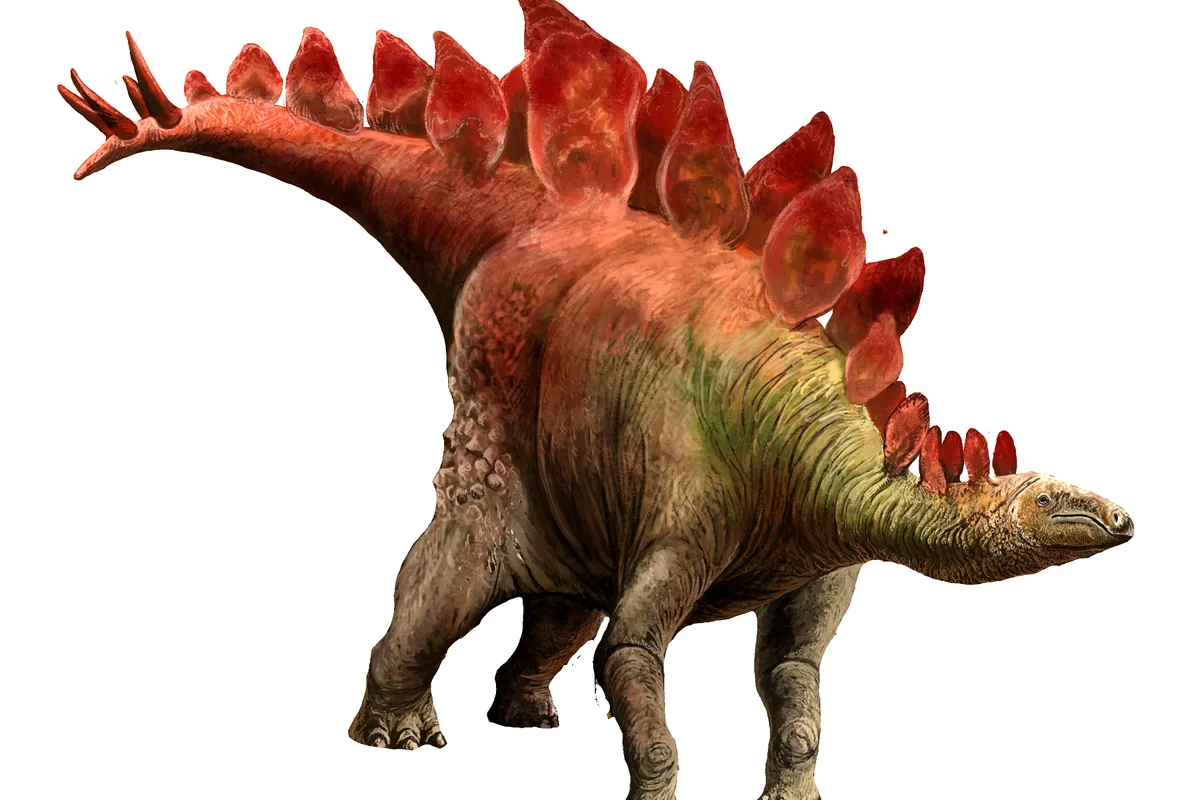
Order: Ornithischia · Suborder: Ceratopsia · Infraorder: Ceratopsidae · Family: Ceratopsidae
Wendiceratops was a herbivorous dinosaur that roamed the coastal environments of Late Cretaceous Alberta, Canada. Named in honour of fossil hunter Wendy Sloboda, who discovered the site, this horned dinosaur measured approximately 20 feet in length and belonged to the ceratopsian family, specifically the centrosaurine branch. Like other members of its group, Wendiceratops possessed a distinctive frill edged with curled, hook-like bones and likely bore a prominent horn on its nose, features that may have served in display or social communication.
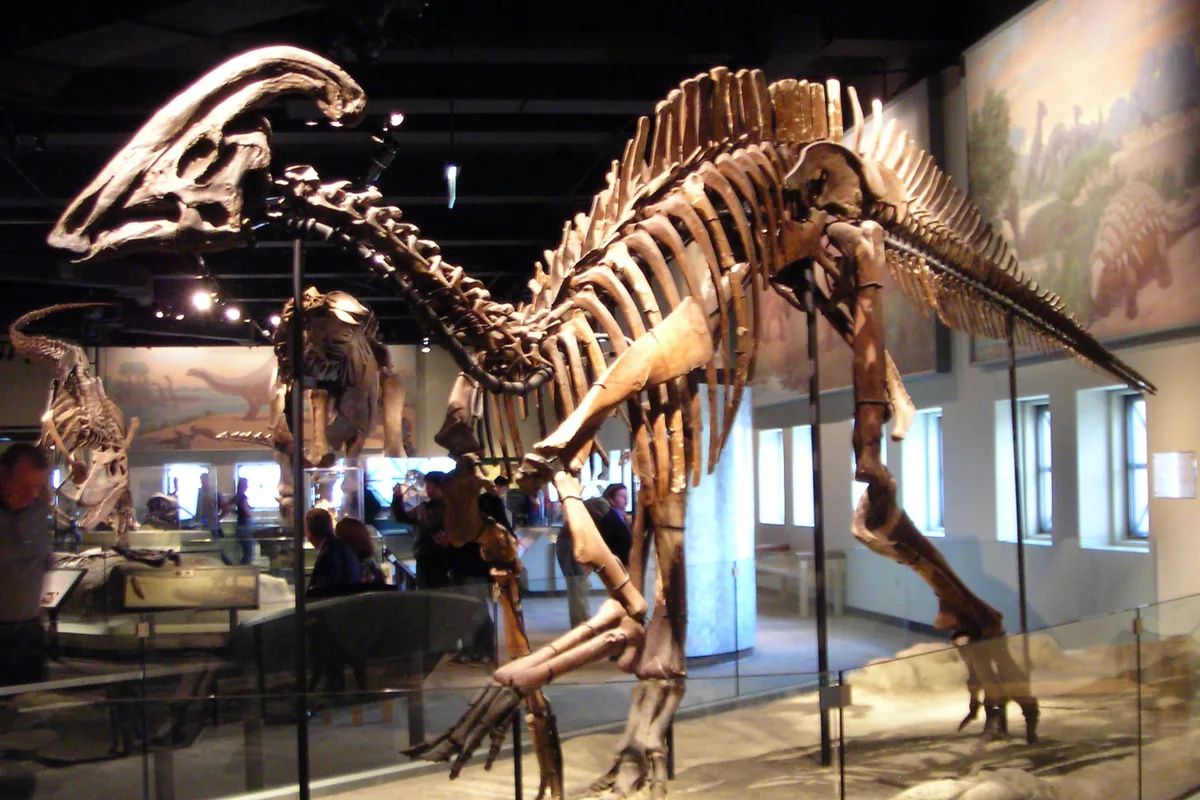
As one of the earlier known members of the centrosaurine ceratopsians, Wendiceratops provides valuable insight into the early evolution of the elaborate horn and frill ornamentation that characterizes many later ceratopsian dinosaurs. The animal was well-adapted to its coastal habitat, feeding on low-growing plants with the aid of a specialized beak and dental batteries—tooth structures designed for processing vegetation. The discovery and study of Wendiceratops has contributed significantly to paleontologists' understanding of how these distinctive defensive and display structures developed over time within the ceratopsian lineage.
More Cretaceous-period dinosaurs →
Reference background: Natural History Museum, London — Dinosaurs; Smithsonian National Museum of Natural History — Dinosaurs; American Museum of Natural History — Dinosaurs & Fossils. Figures are typical published ranges; taxonomy follows the source era and modern consensus is noted where it differs. See our sources & fact-check policy.
Frequently asked questions
What does Wendiceratops mean?
The name Wendiceratops means “Wendy's horned face”.
When did Wendiceratops live?
Wendiceratops lived during the Late Cretaceous.
Was Wendiceratops a carnivore or a herbivore?
Wendiceratops was a herbivore.
How big was Wendiceratops?
Wendiceratops was about 20 feet (6 meters) long.
Related dinosaurs
Other dinosaurs from the Ceratopsidae family.
Compare the dinosaurs
See size, diet, period and family for hundreds of dinosaurs side by side.
Compare dinosaurs →