Technosaurus
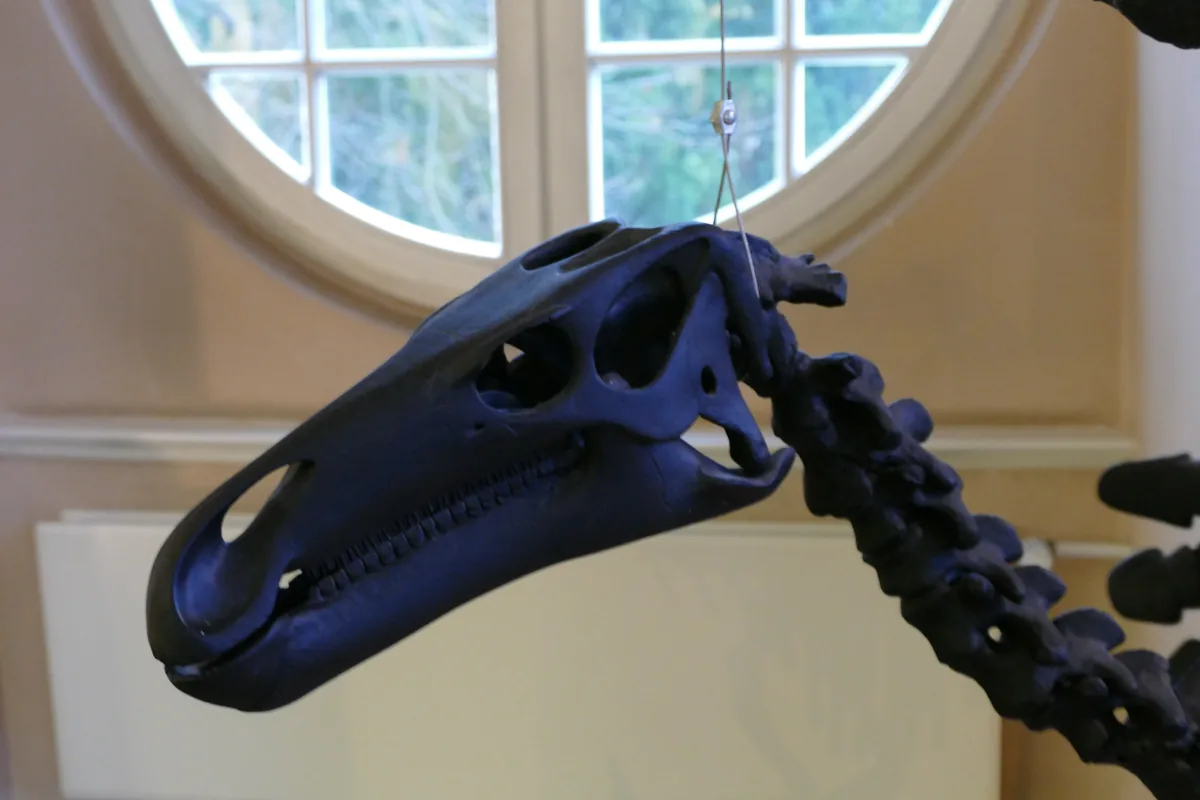
Order: Ornithischia · Suborder: Not known · Infraorder: Not known · Family: Not known
Technosaurus was discovered near Lubbock, Texas. The remains found were from the lower jaw, an upper jaw fragment, and other lower bones. The dinosaur has been classified as an Ornithischian, but may be an early prosauropod.
More Triassic-period dinosaurs →
Reference background: Natural History Museum, London — Dinosaurs; Smithsonian National Museum of Natural History — Dinosaurs; American Museum of Natural History — Dinosaurs & Fossils. Figures are typical published ranges; taxonomy follows the source era and modern consensus is noted where it differs. See our sources & fact-check policy.
Frequently asked questions
What does Technosaurus mean?
The name Technosaurus means “(Texas)Tech (University) Lizard”. It is pronounced TEK-no-SAWR-us.
When did Technosaurus live?
Technosaurus lived during the Late Triassic.
Was Technosaurus a carnivore or a herbivore?
Technosaurus was a herbivore.
Related dinosaurs
Other dinosaurs from the Not known family.
Compare the dinosaurs
See size, diet, period and family for hundreds of dinosaurs side by side.
Compare dinosaurs →