Monolophosaurus
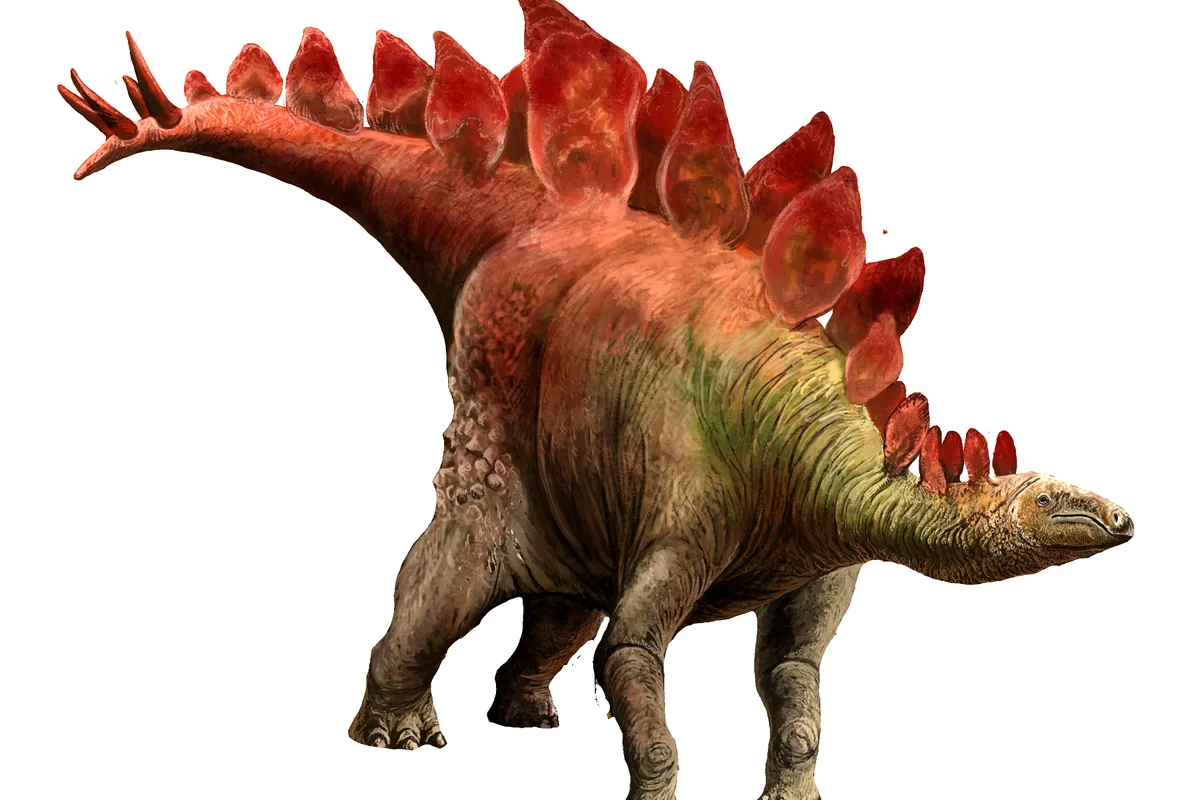
Order: Saurischia · Suborder: Theropoda
Monolophosaurus was a medium-sized carnivorous dinosaur that roamed what is now China during the Middle Jurassic period. Measuring between 16 and 18 feet in length, this theropod earned its name—meaning "single-crested lizard"—from the distinctive hollow crest that ran along the midline of its skull. This prominent feature was formed from the nasal bones and is believed to have functioned in display or possibly in the production and amplification of sounds, serving as a signal to other members of its species.
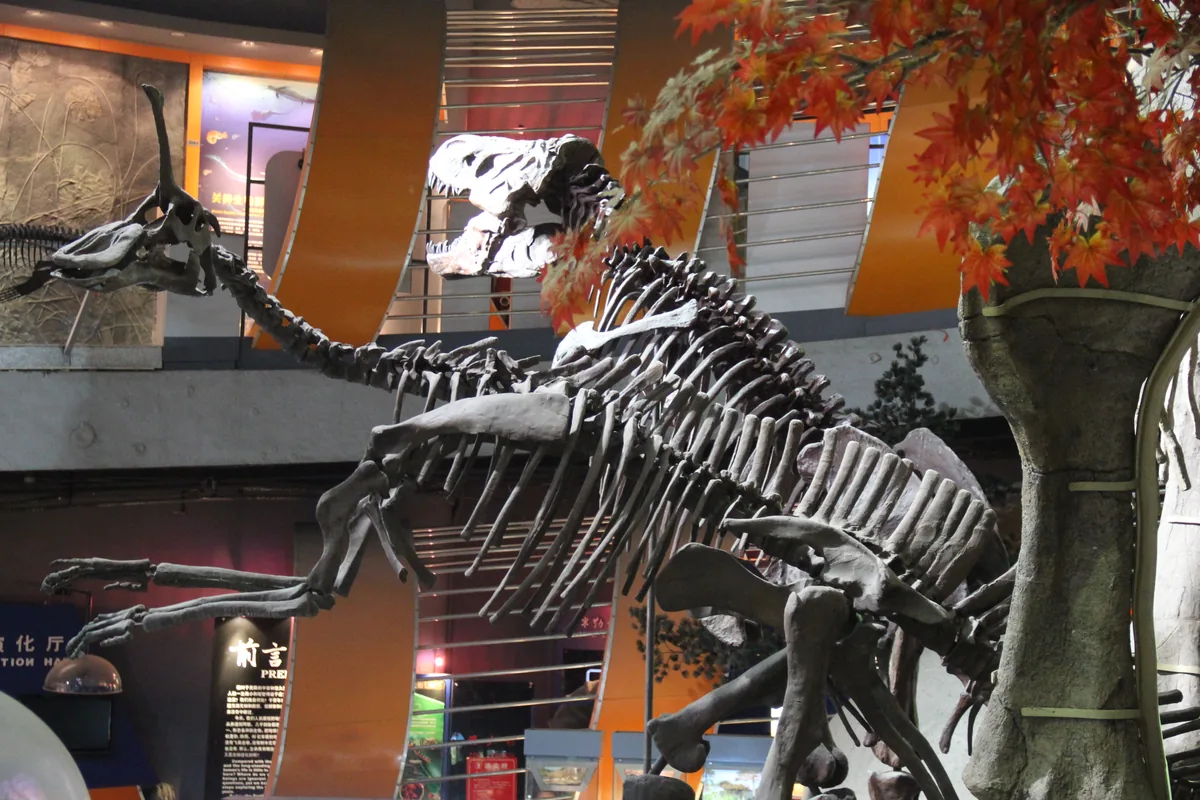
As an active predator, Monolophosaurus hunted other animals in its Jurassic environment, representing an early example of large-bodied theropods during a time of significant dinosaur diversification. The dinosaur is known from a relatively complete skeleton, making it an important source of information about theropod anatomy and biology in this era. The discovery and study of Monolophosaurus have provided paleontologists with insights into the diversity of predatory dinosaur forms and the evolutionary adaptations that characterized theropod lineages as they continued to evolve and dominate ecosystems across the globe.
More Jurassic-period dinosaurs →
Reference background: Natural History Museum, London — Dinosaurs; Smithsonian National Museum of Natural History — Dinosaurs; American Museum of Natural History — Dinosaurs & Fossils. Figures are typical published ranges; taxonomy follows the source era and modern consensus is noted where it differs. See our sources & fact-check policy.
Frequently asked questions
What does Monolophosaurus mean?
The name Monolophosaurus means “Single-crested lizard”.
When did Monolophosaurus live?
Monolophosaurus lived during the Middle Jurassic.
Was Monolophosaurus a carnivore or a herbivore?
Monolophosaurus was a carnivore.
How big was Monolophosaurus?
Monolophosaurus was about 16-18 feet (5-5.5 meters) long.
Related dinosaurs
Other dinosaurs from the same period.
Compare the dinosaurs
See size, diet, period and family for hundreds of dinosaurs side by side.
Compare dinosaurs →