Diabloceratops
Order: Ornithischia · Suborder: Ceratopsia · Infraorder: Ceratopsidae · Family: Ceratopsidae
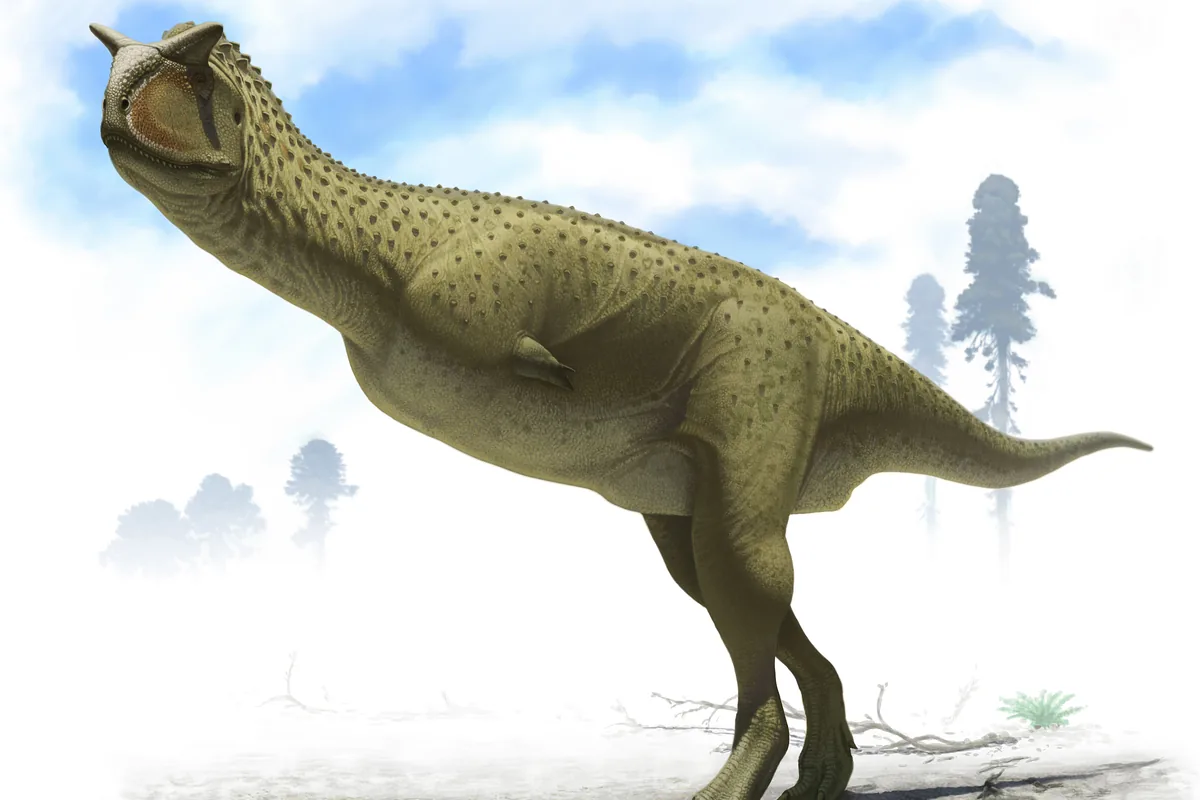
Diabloceratops was a horned dinosaur that roamed the Late Cretaceous landscapes of Utah. Its name, meaning "devil horned face," derives from its most striking feature: a pair of large, curving horns that rose prominently from the top of its bony frill. The animal also bore shorter horns above its eyes and possessed a notably deep snout. Measuring approximately 15 feet in length, Diabloceratops was a member of the Ceratopsidae family and belonged to the centrosaurine branch of ceratopsians, a diverse group of herbivorous dinosaurs.
As one of the earliest ceratopsids known from North America, Diabloceratops holds considerable scientific importance. Its anatomy provides paleontologists with valuable insights into how the elaborate frills and horns characteristic of later horned dinosaurs first emerged and developed over time. The creature fed on low-growing vegetation, using its beak to crop plants and its grinding teeth to process food. By studying fossils like Diabloceratops, scientists gain a clearer understanding of ceratopsian evolution and the selective pressures that may have shaped these distinctive features throughout the group's history.
More Cretaceous-period dinosaurs →
Reference background: Natural History Museum, London — Dinosaurs; Smithsonian National Museum of Natural History — Dinosaurs; American Museum of Natural History — Dinosaurs & Fossils. Figures are typical published ranges; taxonomy follows the source era and modern consensus is noted where it differs. See our sources & fact-check policy.
Frequently asked questions
What does Diabloceratops mean?
The name Diabloceratops means “Devil horned face”.
When did Diabloceratops live?
Diabloceratops lived during the Late Cretaceous.
Was Diabloceratops a carnivore or a herbivore?
Diabloceratops was a herbivore.
How big was Diabloceratops?
Diabloceratops was about 15 feet (4.5 meters) long.
Related dinosaurs
Other dinosaurs from the Ceratopsidae family.
Compare the dinosaurs
See size, diet, period and family for hundreds of dinosaurs side by side.
Compare dinosaurs →